
How Snowball Sprint Works
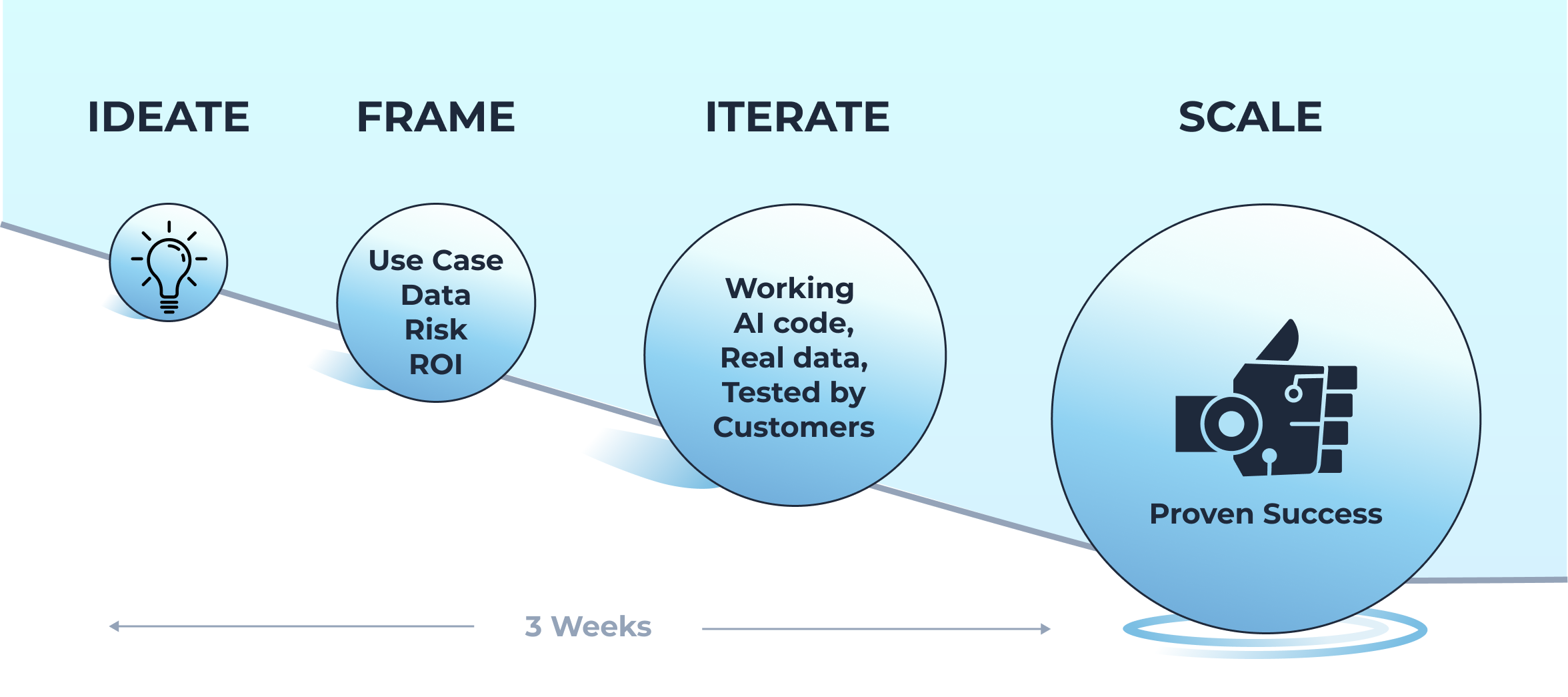
7 Principles for AI Success
Customer at the Center — Real users, not internal stakeholders
Start with Data — Validate data readiness before code
Working Code is the Only Thing — Demos lie, working systems don't
Lightweight over Heavy — Speed beats polish in validation
Clarity Through Iteration — Learn by building, not debating
Align Early — Stakeholder alignment in Week 1, not Month 6
Solve for ROI, Not Decoration — Business outcomes, not feature lists.

Stage 1: Ideate
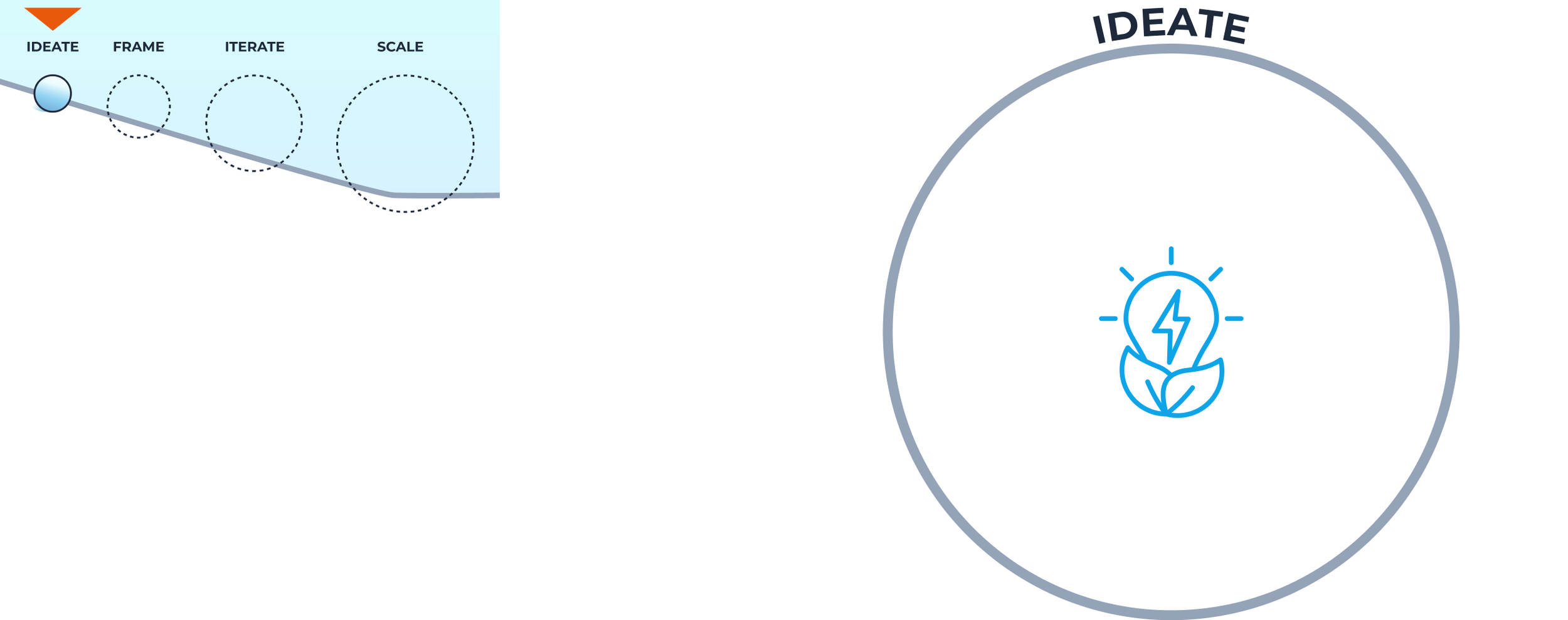
Imagine powerful use cases where AI solves real customer problems.
Before building anything, we identify where AI creates genuine competitive advantage — not where it's trendy.
Output Example: Prioritized use case list with strategic rationale (“An AI health advisor for personalized nutrition advice, with Agentic AI lookup for unknown foods.”)
Stage 2: Frame
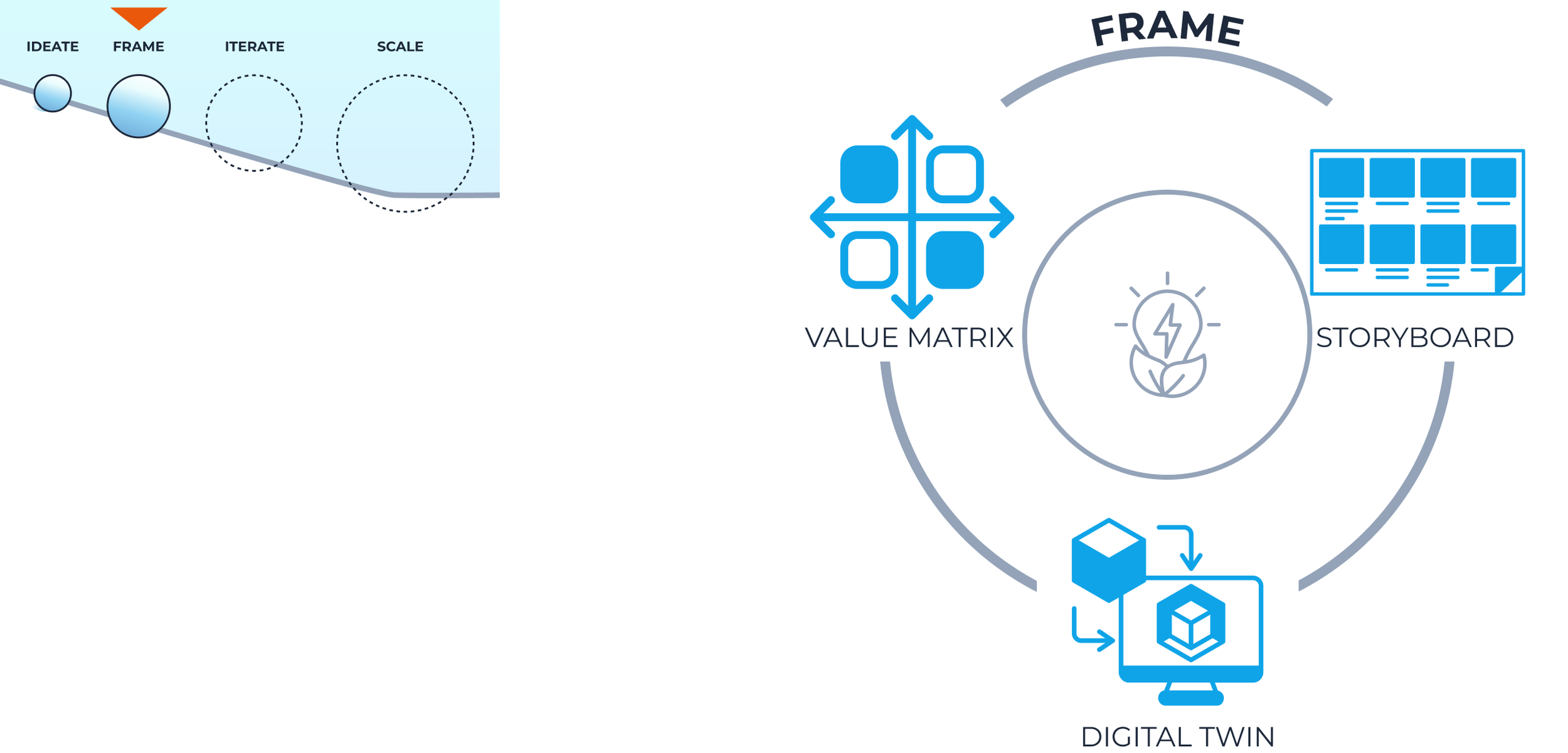
Validate before you write a line of code.
Three artifacts. Three questions answered.
Output Examples:
Storyboard
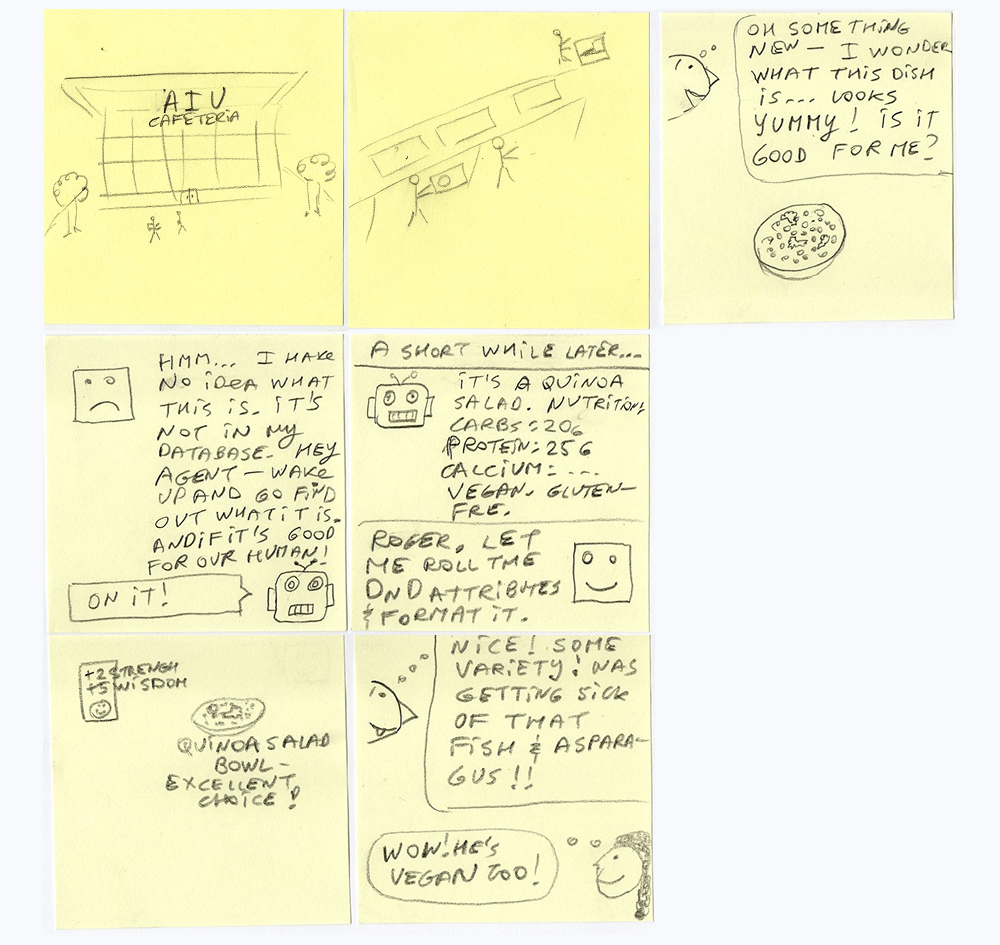
Tell a compelling story that reveals whether your AI actually solves real problems. Make agent handoffs explicit and align stakeholders before you waste months building the wrong thing.
Digital Twin
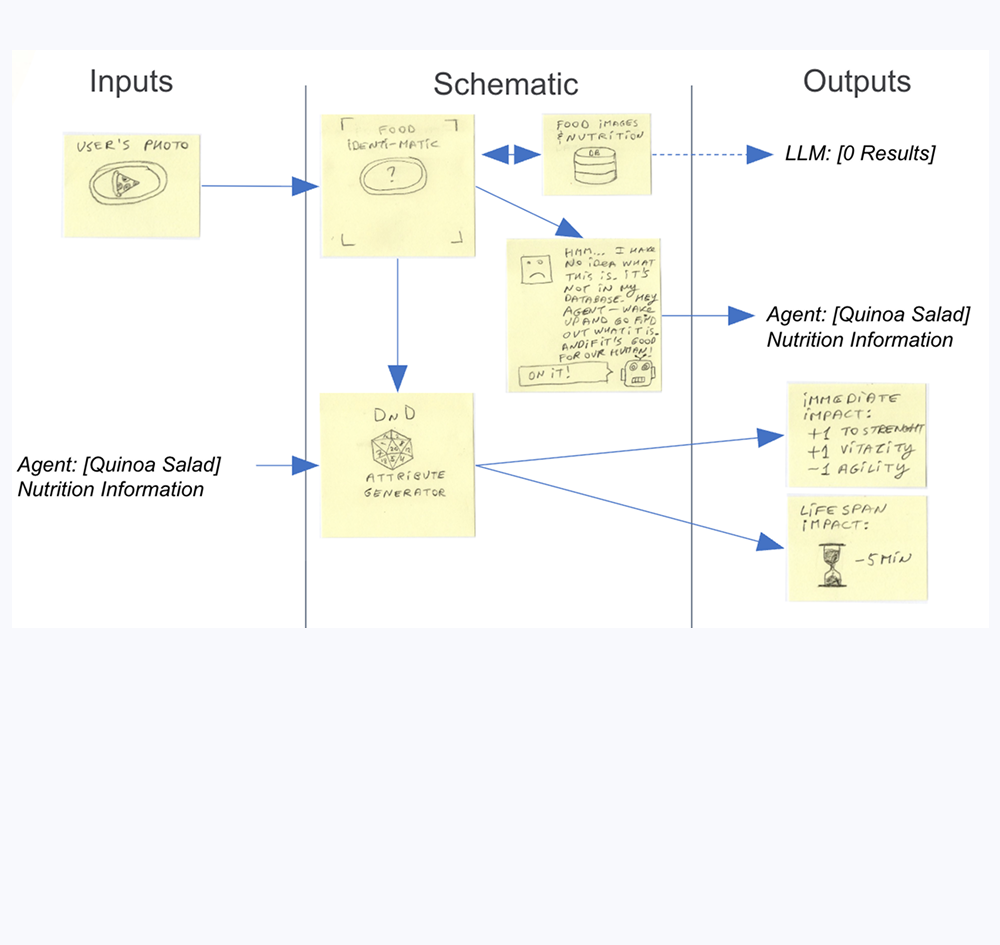
Map every agent handoff and data flow to expose broken connections, missing inputs, misaligned goals, and where humans must intervene. Validate controls before your system fails in production.
Value Matrix
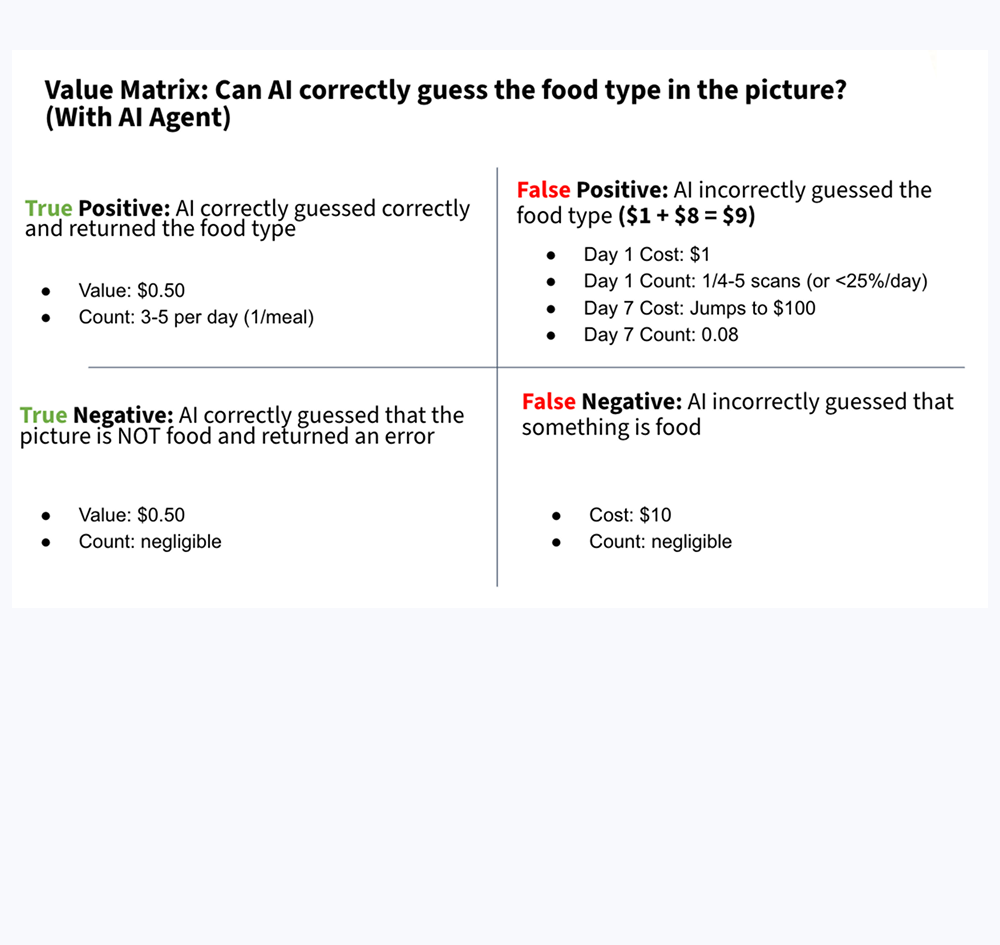
Validate you're solving the right problem by mapping AI outcomes to business impact. Calculate the value of correct predictions and the cost of errors. Get a handle on your prediction risk and ensure your AI generates a positive ROI before you build.
Stage 3: Iterate
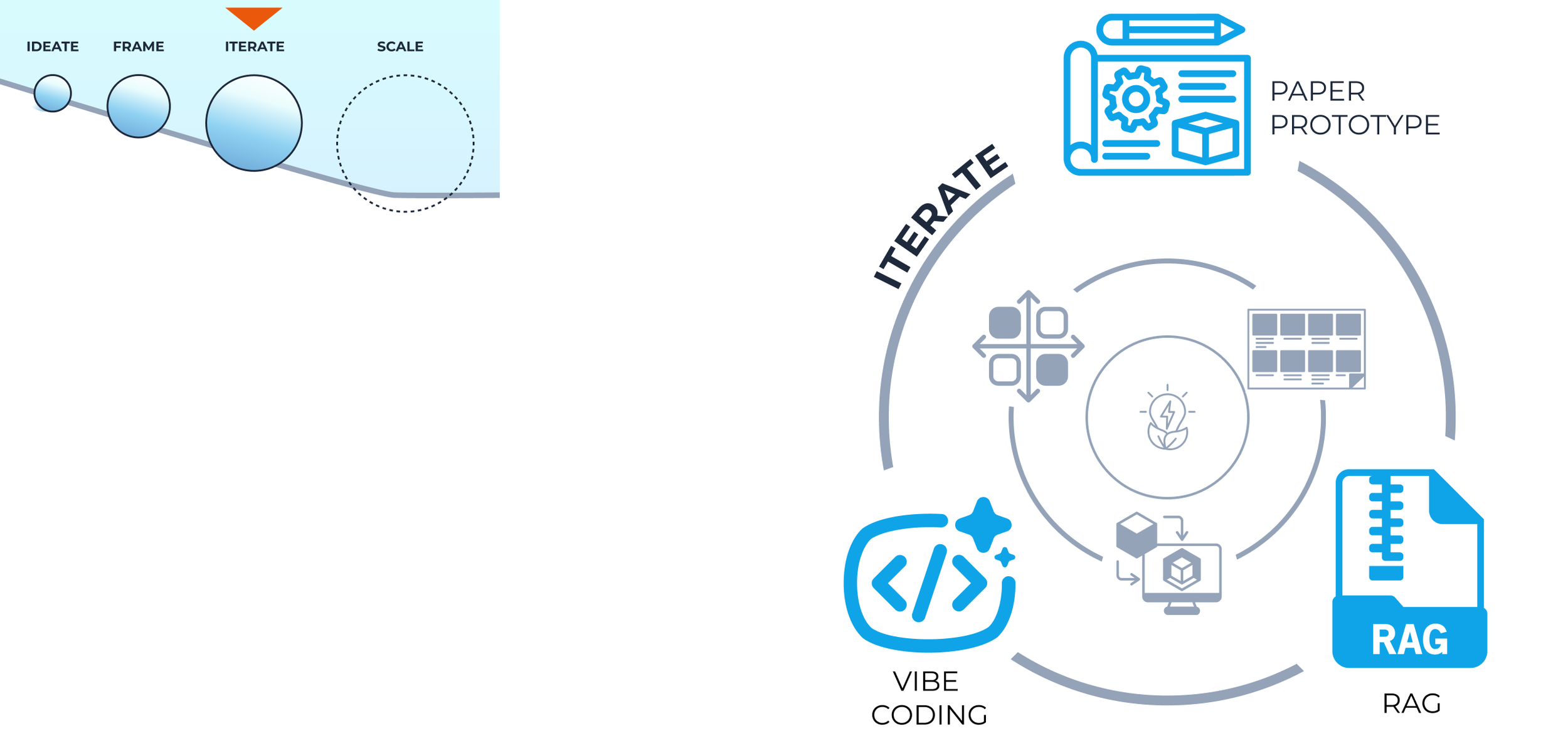
Build with real data. Test with real customers. Pivot fast.
This is where the snowball really starts rolling!
Output Examples:
Paper Prototype
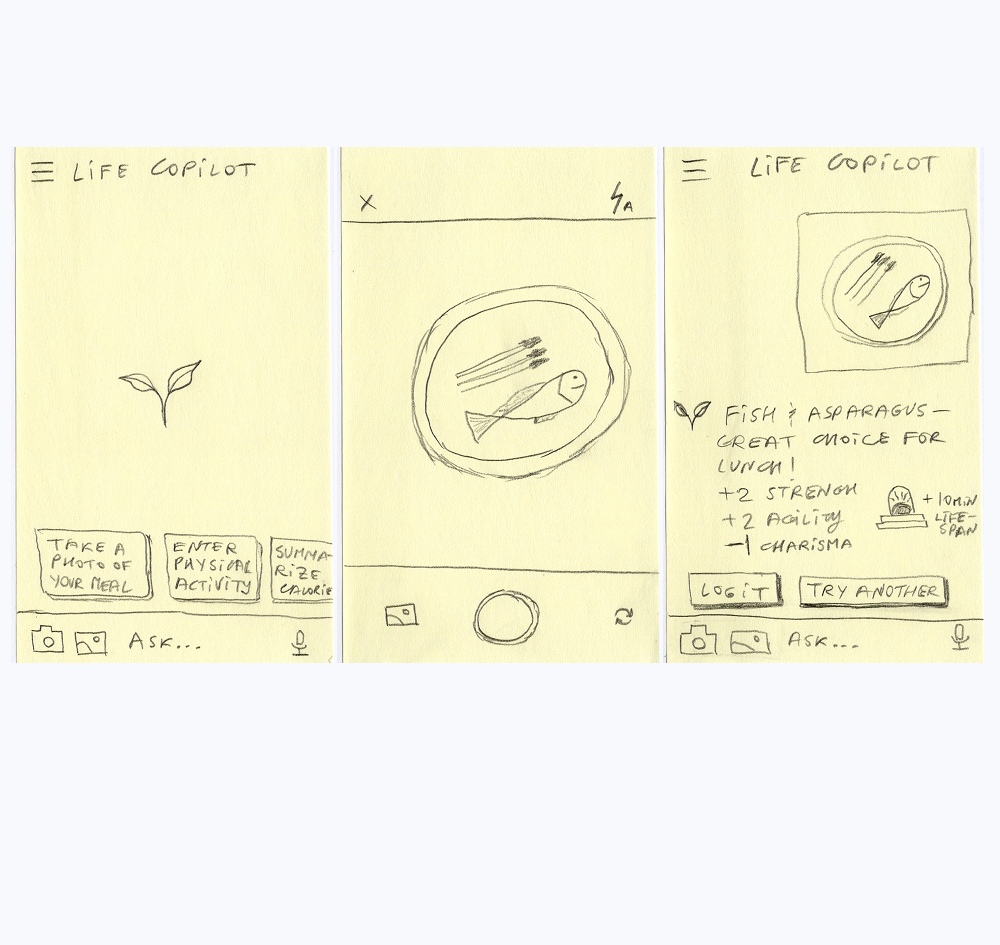
Rapidly iterate on agent flows and UI concepts in hours instead of weeks, keeping stakeholders focused on solving user problems rather than debating pixel perfection.
RAG (Retrieval-Augmented Generation)
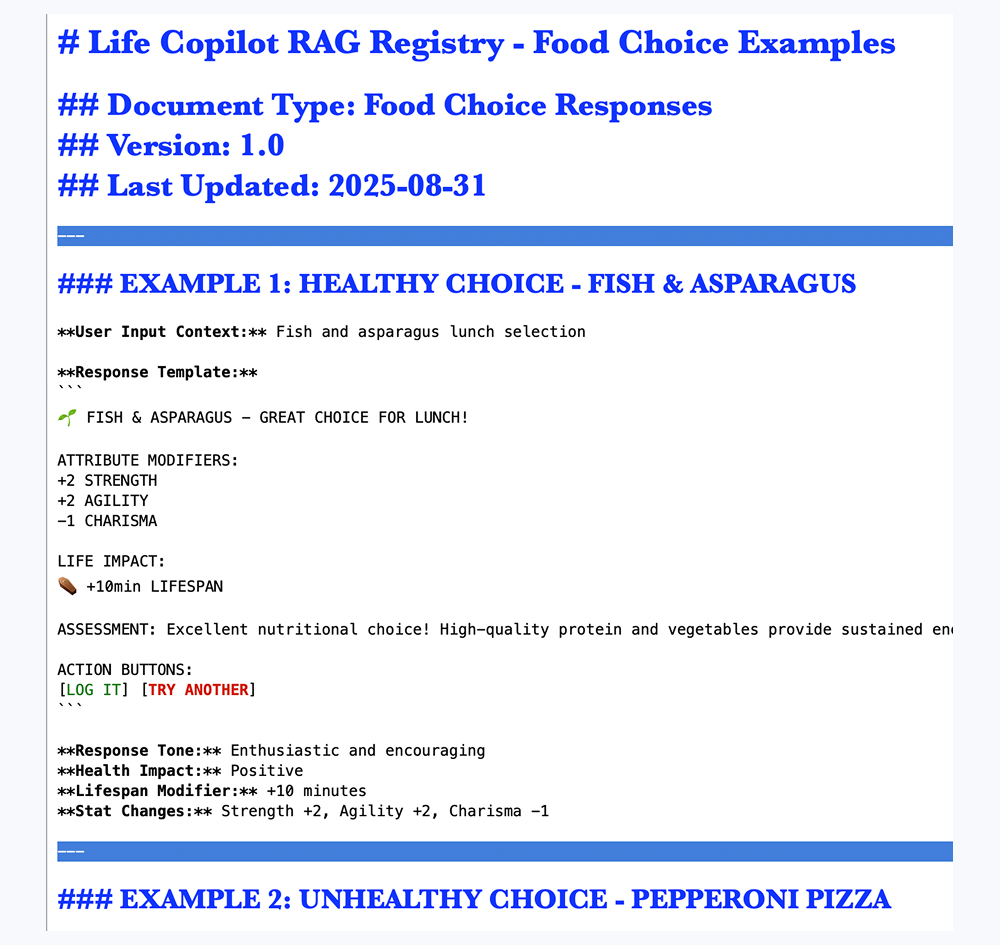
Load real thin-sliced customer data into the workflows you sketched, test with live users, and validate your concept—all before writing custom code or designing UI.
Vibe-Coding
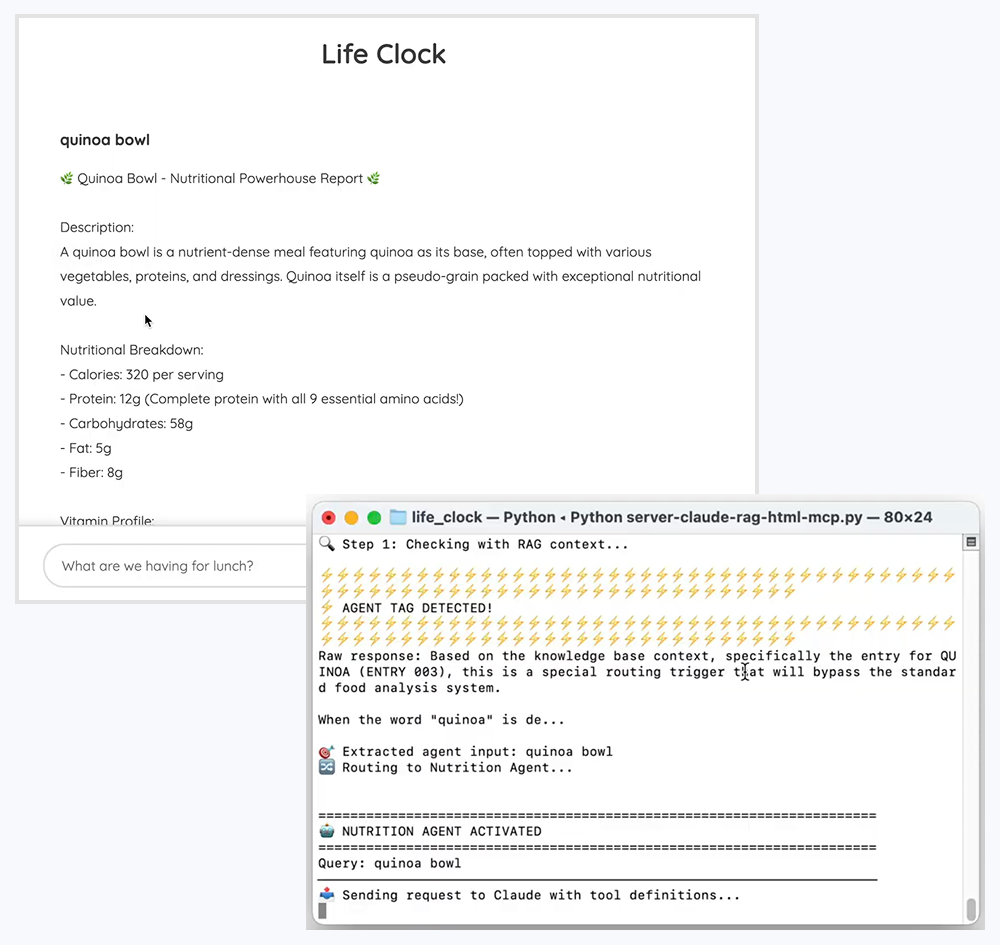
Scale your RAG LLM prototype into a working AI agent application with real data and system integrations in weeks. Customers interact with actual AI behavior, giving you validation before investing in production development.
Stage 4: Scale
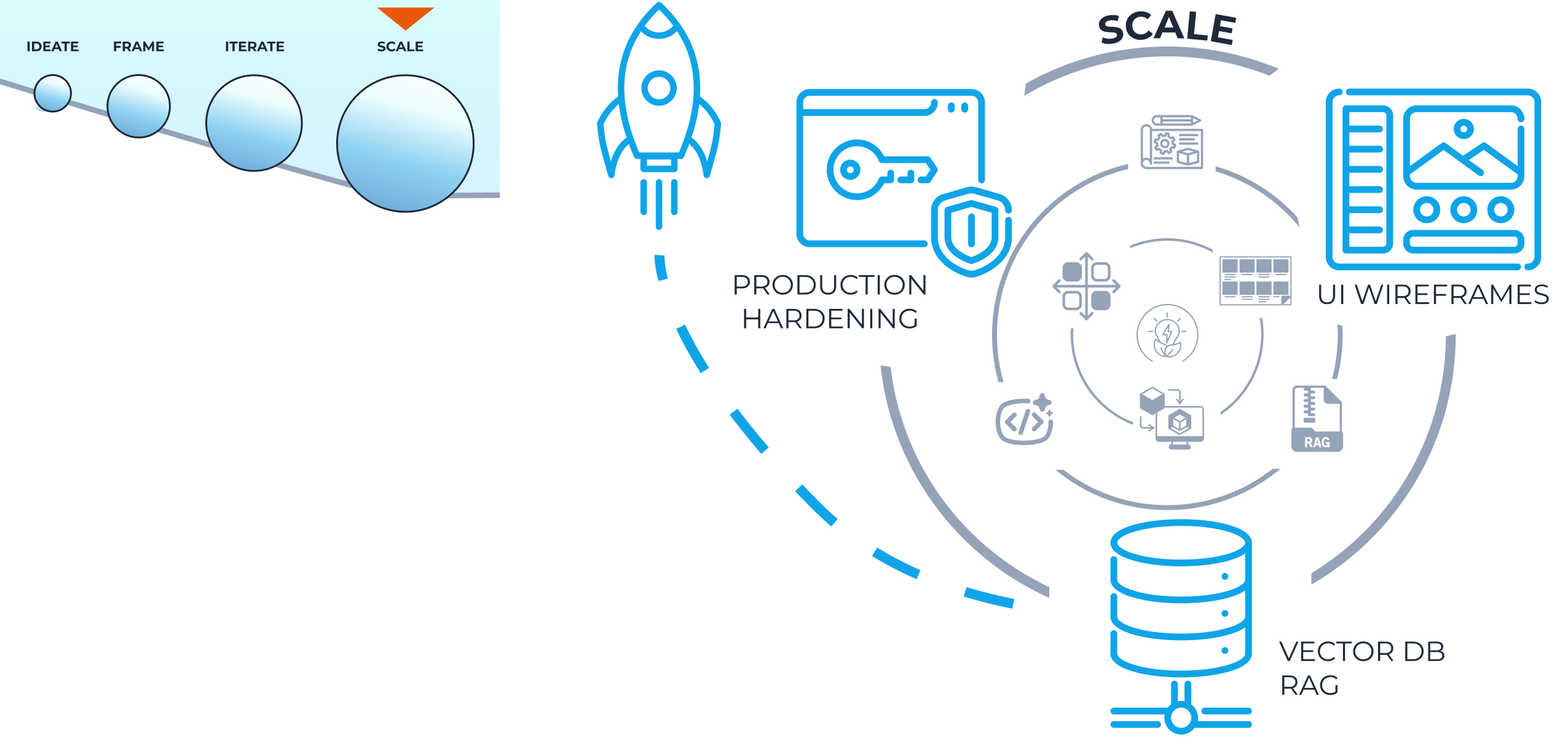
Expand what's proven.
Scale only after value is proven — so every dollar accelerates a validated product, not a gamble.
Output Examples:
Production Hardening
When validation proves your AI application delivers value, scale to production: refine the AI agents through RITE testing, build production-grade infrastructure, and design the polished UI. Enhance to a market-ready product in weeks, not months.
UI Polish & Branding
Wireframes alone can't validate AI behavior. Without a working application, UX teams debate gargoyle rain spouts while AI agents dump data into the elevator shaft. Build a real application first, then put finishing design touches on the UI.
Vector DB and Scaled Data Pipeline
Once the thin slice proves your data actually works for the use case, you can safely expand to a broader data scope with a Vector DB and robust retrieval infrastructure. Scale only after value is proven—so every dollar accelerates a validated product, not a gamble.
Pricing and Timeline
We recommend starting with a 3-day on-site AI Strategy Workshop.
Typical Snowball Sprint takes a total of 3-12 weeks, depending on scope, complexity, and how much your team pitches in.
Let’s Talk
In 30 minutes, we’ll talk through your AI challenges and see whether Snowball Sprint is the right fit. No pitch — just an honest conversation.